ISO 13485 is the quality management system standard specific to medical devices. This article explains its scope, implant manufacturing steps and the difference between a quality certificate and regulatory conformity.
What is ISO 13485?
ISO 13485:2016 specifies quality management system requirements where an organisation needs to demonstrate its ability to provide medical devices and related services that consistently meet customer and applicable regulatory requirements.[1] Exclusions may be justified according to the organisation’s activities and the nature of the device.
An ISO certificate is not product approval
A quality management certificate and a product’s regulatory conformity are different things. Conformity requirements are set by the MDR in the EU and by the Medical Device Regulation of 2 June 2021 in Türkiye. Article 7 of the MDR prohibits misleading claims on intended purpose, safety and performance.[3] In Türkiye, sales, advertising and promotion are governed by a separate regulation, and devices are tracked through the Product Tracking System (ÜTS).[4][5]
How is an orthopedic implant made?
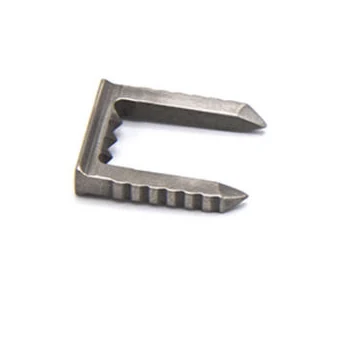
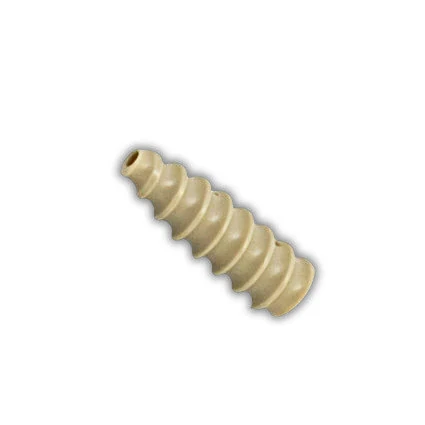
Titanium and PEEK implants are usually machined on CNC Swiss-type lathes. The flow typically includes material receipt and certificate check, machining, surface treatment, cleaning, dimensional and visual inspection, packaging and sterilization. Material standards such as ASTM F136 are referenced for implant-grade titanium alloy.[2] Swiss-type turning suits long, slender parts, so it is common for screw and anchor bodies.
Quality control steps
- Material verification: recording raw material certificates.
- Dimensional inspection: verifying critical dimensions with calibrated equipment.
- Surface inspection: assessing burrs, roughness and visual defects.
- Cleaning: removing manufacturing residues through controlled processes.
- Packaging and labelling: applying lot and traceability information.
OEM and private label manufacturing
In OEM and private label manufacturing, dimensions, configuration and packaging are defined by customer need. The process usually starts with a drawing or sample and proceeds through sample production, dimensional verification and series approval. Regulatory responsibilities arising from placing the device on the market should be clearly defined between the parties.
When assessing a manufacturing partner
- Scope of valid quality certificates and fit with the product group.
- Regulatory and technical file processes for the target market.
- Material traceability and lot records.
- Measurement infrastructure and calibration records.
You can read about Maxx Global Medical’s approach on the About Us page and see the product family on the Products page.
Technical information request
Contact our team for product labelling, instructions for use and technical documentation requests.
References
- ISO 13485:2016. Medical devices — Quality management systems — Requirements for regulatory purposes. iso.org
- ASTM F136. Standard Specification for Wrought Titanium-6Aluminum-4Vanadium ELI (Extra Low Interstitial) Alloy for Surgical Implant Applications. ASTM International. store.astm.org
- Regulation (EU) 2017/745 on medical devices (MDR), Article 7 (Claims). eur-lex.europa.eu
- Tıbbi Cihaz Satış, Reklam ve Tanıtım Yönetmeliği. Resmî Gazete, 15.05.2014, sayı 29001 (değişiklikleriyle). titck.gov.tr
- T.C. Sağlık Bakanlığı Türkiye İlaç ve Tıbbi Cihaz Kurumu. Tıbbi Cihazların Ürün Takip Sistemi Tekil Hareket Bildirimlerine İlişkin Kılavuz. titck.gov.tr