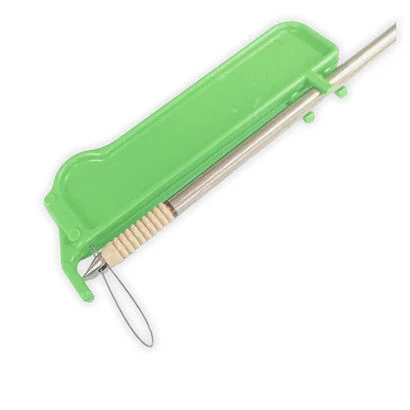
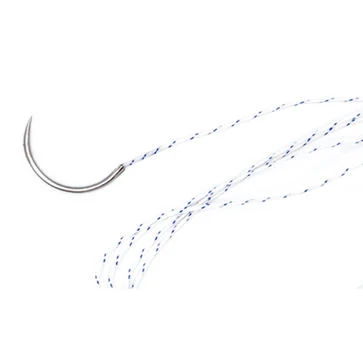
A suture anchor is a small orthopedic implant used to fix tendons and soft tissue to bone. This article outlines anchor types, materials and design intent.
What does a suture anchor do?
Suture anchors are used in surgical applications where a torn or detached tendon or ligament needs to be re-attached to bone. The anchor is placed in the bone and its suture is used to approximate the soft tissue to the bone. Common examples include rotator cuff repair and labral repair.
As an alternative to sutures passed through bone tunnels, anchor fixation places the implant directly in bone and is designed for use with arthroscopic techniques. The choice of technique rests with the healthcare professional.
Types of suture anchors
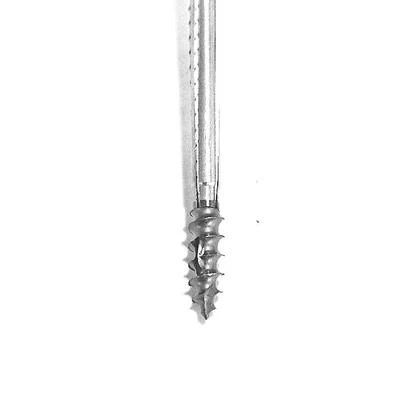
- Titanium anchors: metal body; may cause imaging artefacts. E.g. Helix TI Screw Anchor.
- PEEK anchors: radiolucent, non-absorbable polymer body. E.g. Helix 3.5mm PEEK.
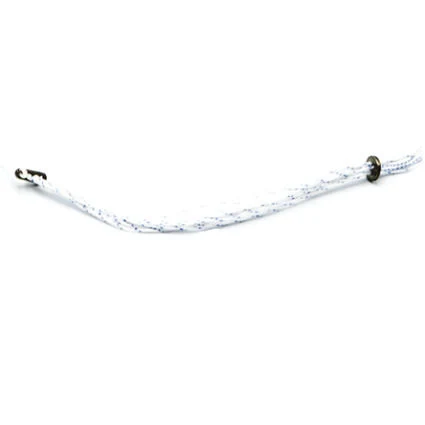
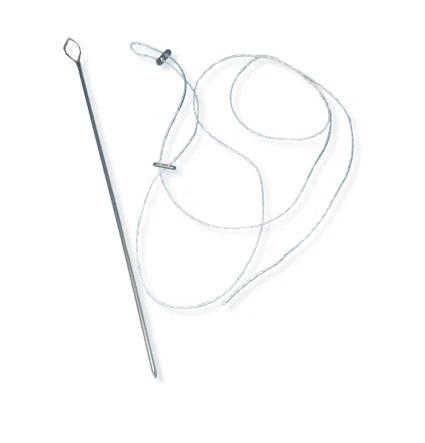
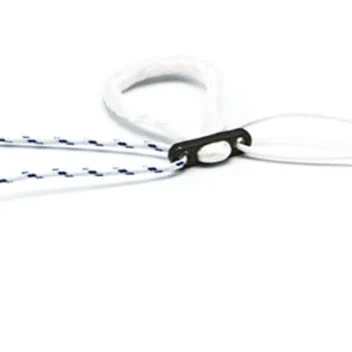
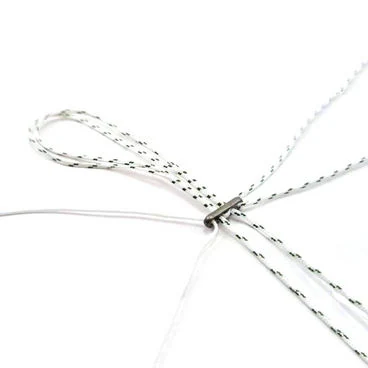
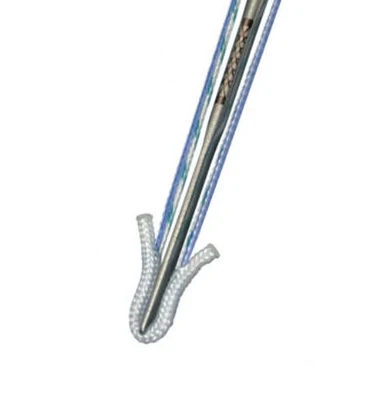
- All-suture anchors: soft designs made entirely of suture material. E.g. Sensitiva Soft Anchor.
- Knotless anchors: designed not to require a knot-tying step for suture fixation. E.g. Titanium Peek Knotless Pushlock.
By insertion method, screw-in anchors are advanced by rotation, and push-in anchors are pressed into a prepared socket.
How do anchor types compare biomechanically?
A 2023 network meta-analysis of rotator cuff anchors (7 studies) found higher failure loads for PEEK and all-suture anchors than for biocomposite anchors, greater displacement for all-suture and biocomposite anchors than for metal anchors, and no significant difference in stiffness.[1]
These results are limited: synthetic and cadaveric bone models were combined, testing was at time zero, and the authors rated confidence in the evidence as generally very low. The ranking changed in a sensitivity analysis using osteoporotic cadaveric models.[1] The data should therefore not be read as clinical superiority or as a recommendation for a given bone quality.
Diameter and configuration
Diameter, number of sutures and suture material vary by product; applicable dimensions are stated on the product label and in the instructions for use. No general diameter recommendation is given for a joint or case; the choice rests with the healthcare professional.
Packaging, sterilization and traceability
Packaging and sterilization information is stated on the product label. Products are tracked by lot number; these records are part of the traceability requirements of the quality management system.
You can review technical information on Maxx Global Medical’s suture anchor models and read our PEEK and titanium article for material differences.
Technical information request
Contact our team for product labelling, instructions for use and technical documentation requests.
References
- Yang Y-S, Shih C-A, Fang C-J, et al. Biomechanical comparison of different suture anchors used in rotator cuff repair surgery: all-suture anchors are equivalent to other suture anchors. A systematic review and network meta-analysis. J Exp Orthop. 2023;10:45. doi:10.1186/s40634-023-00608-w